Sleep Apnea & Snoring Treatments In Calgary
Sleep apnea is a condition where the airway repeatedly becomes entirely blocked, preventing breathing. The word “apnea” means “no breathing.” You might wake up enough to gasp for air and then fall back to sleep. In the morning you often have no memory of these incidents.
The official definition of sleep apnea is blocked breathing five or more times per hour for at least ten seconds each time. The average time is 22 seconds. Try holding your breath for 22 seconds — good luck! The lack of breathing causes a significant drop in blood oxygen levels. Although there are three types of sleep apnea, the most common one is called Obstructive Sleep Apnea (OSA).
Types of Sleep Apnea
Symptoms Of Sleep Apnea
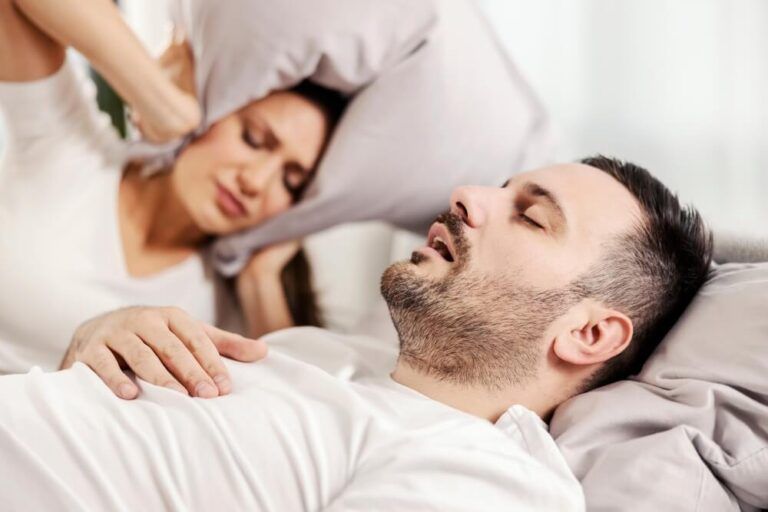
Although OSA sufferers are not typically aware of the non-breathing episodes each night, they can notice the following daytime sleep apnea symptoms:
- Fatigue and drowsiness
- Headaches
- Teeth grinding
- Abrupt awakenings accompanied by shortness of breath
- Impotence
- Difficulty concentrating
- Nighttime sweating
- High blood pressure
- Chest pain at night
- Excessive daytime sleepiness
- Dry mouth
- Short term memory issue
- Decreased sex drive
- Depression
- Irritability
- Menstrual irregularities
- Sore throat
- Insomnia
- Weight gain
- Gastric reflux
- Mood swings
- Restless sleeping
These symptoms can cause tension in your relationships, problems with performance at work, and even dangers such as falling asleep at the wheel while driving. In addition, if you sleep in the same room as a partner, they may resent you for keeping them up all night with your snoring. Most people find that their quality of life improves significantly after seeking help for their sleep apnea and finding an effective treatment option.
Take a Home Sleep Test: A convenient home sleep test will determine whether or not you have sleep apnea.
What to Expect at Southcentre Dental
Personalized Sleep Assessment
We begin by understanding your symptoms, whether it’s snoring, poor sleep, or fatigue. You may be provided with a take-home sleep screening test to evaluate potential signs of sleep apnea.
Proper Diagnosis & Referrals
If sleep apnea is suspected, we’ll refer you to a qualified sleep specialist for an official diagnosis. This ensures you receive the most accurate evaluation and appropriate care.
Tailored Treatment Recommendations
Once your condition is confirmed, we’ll guide you through the best treatment options based on your needs. This may include oral appliances, CPAP therapy referrals, or other solutions depending on the severity of your case.
Custom Oral Appliance Fitting
For many patients, a mandibular advancement device (such as SOMNOMED) is an effective solution. We take precise impressions of your teeth to create a custom-fit appliance designed for comfort and optimal airway support.
Adjustment & Optimization
Once your appliance is ready, we’ll ensure it fits perfectly and make any necessary adjustments. Follow-up visits may be scheduled to fine-tune your device for maximum effectiveness and comfort.
Ongoing Support
We continue to monitor your progress and make adjustments as needed. Our goal is to help you achieve better sleep, reduce snoring, and improve your overall health with a solution that works for you.
A healthy smile builds confidence
Common Sleep Apnea Symptoms in Children
Children can share common symptoms of sleep apnea like snoring, restlessness, waking up repeatedly during the night, and more. However, children can also suffer from the following sleep apnea symptoms:
- Mouth breathing
- Bedwetting
- Poor performance in school
- Stunted growth
- Behavior problems
- Short attention span
If you believe your child may be dealing with sleep apnea, contact us today to schedule a free consultation.
What causes sleep apnea?
Sleep apnea is normally caused by a number of different things including:
- Small airways
- Large tonsils
- Airway constriction
- Enlarged tonsils
- Allergies
- Obesity
- Family history
- High blood pressure
- Diabetes
- Smoking
- Large amounts of second-hand smoke
Risks associated with untreated sleep apnea
People with sleep apnea experience multiple instances of interrupted breathing during sleep. In order to resume breathing, your brain must partially reawaken; while you may not be aware of the breathing interruptions and waking, this process can occur hundreds of times a night. This, in turn, prevents your brain from achieving the restful, REM sleep you need. Additionally, when your brain senses the lack of oxygen, it signals your heart to work harder, pumping more blood and contributing to a heightened risk of serious health problems including:
- High blood pressure (hypertension)
- Heart attack
- Heart disease
- An irregular heartbeat
- Stroke
- Cardiac arrhythmia
- Coronary artery disease
Sleep apnea can also lead to depression, daytime fatigue, memory problems, mood swings, morning headaches, and other issues. This disorder can take quite a toll on your life so it’s important you have it treated as soon as possible.
How do I know what treatment option is right for me?
Get Fitted for a Custom Oral Appliance
We will take impressions or scans, fit you for a cutting-edge device, and instruct you on usage, care, and maintenance. We use the least intrusive, most comfortable patient preferred oral appliance therapy to treat your sleep apnea & snoring. It is also the most user friendly treatment available.
What is a mandibular advancement device?
Affordability & Insurance
Providing transparent cost estimates.
Our team is here to help you understand your coverage and handle claim submissions!
Assisting with insurance claims for restorative elements.
We’ll always review your treatment plan and answer any questions you have before scheduling any follow-up care!
Offering flexible payment options where available.
Our team will make sure we find the best payment solutions for you.
Common Questions About Sleep Apnea & Snoring
How serious is sleep apnea?
Sleep apnea can range from mild to severe. Depending on the severity of your sleeping disorder or obstructed breathing, there can be serious physical side effects that increase your chances of things like a heart attack or stroke. Sleep experts know that when your body is deprived of oxygen (which is what happens when you have sleep apnea) it can raise your blood pressure and lead to muscle tension throughout your body. That’s why it’s common to feel fatigued and tired, even if it felt like you actually slept through the night.
If you have a condition like depression or diabetes, sleep apnea can make it more difficult to get those situations under control. Your body is essentially worn out and working overtime. Having a sleeping disorder can also increase your frequency of headaches or possibly falling asleep during the day while you’re driving or at work.
Although sleep apnea itself doesn’t kill people, the effects of sleep apnea like cardiovascular disease can. So, don’t ignore the warning signs and symptoms. If you suspect that you have obstructive sleep apnea, be sure to consult with our dentist.
Can sleep apnea be cured completely?
There’s not usually a permanent “fix” to treat sleep apnea and prevent it from coming back. Sleep apnea treatments vary depending on the particular type of sleep apnea that you have. If you’re seeking help for obstructive sleep apnea (OSA), the most appropriate type of treatment we would offer is a custom oral sleep appliance, which is also known as a mandibular advancement device. In rare situations, surgery or laser treatment (including tonsillectomies) might also be recommended to manage excess soft tissues at the back of your throat and create more room for airflow.
Most people find that once they get into a routine of using an oral sleep appliance for mild to moderate sleep apnea, they don’t usually need anything else. However, if symptoms worsen or there are other conditions at play, additional treatment might be needed. Your physician may recommend follow up testing depending on your physical health and frequency of symptoms.
Can sleep apnea cause dental problems?
Yes, one of the most common side effects and symptoms of sleep apnea is teeth grinding and clenching (a condition called “bruxism”). When your brain is deprived of oxygen, your jaws clench tightly together. Even though your teeth are extremely strong and durable, they can’t stand up to this excessive force night after night. Over time, your teeth will start to wear down, look flat, chip, or break. Consequently, your dental work will start to break apart too. In a few cases, our Calgary dentist might also see things like root exposure because of receding gums.
All of that pressure on your teeth also radiates into your jaw muscles, TMJ, and the sides of your face. As a result, you’ll tend to experience issues like TMJ disorder and headaches. If you notice popping and clicking when you move your mouth or you’re not able to open as wide as you used to, it could be because of your sleep apnea. Be sure to make us aware of these symptoms when you’re here for a checkup.
Are snoring appliances painful or uncomfortable?
Is it difficult to sleep with an appliance in your mouth?
Will the appliance affect my dental health?
What is the newest treatment for sleep apnea?
There are constantly new developments and discoveries for medical conditions and sleeping disorders. One of the newest treatments for obstructive sleep apnea (OSA) that’s gaining tremendous support in the medical community is the use of oral sleep appliances or sleep mouth guards. These mandibular advancement devices work by positioning the mouth in a way that allows for optimal air flow, instead of using a machine to force air into the airway (CPAP) while you sleep.
But just because oral sleep appliances are new doesn’t mean they’re gimmicky. It’s taken quite some time for sleep physicians and experts to find the correlation with dental treatments and management of sleep disordered breathing.
The great news is that some people find using a sleep mouthguard can actually eliminate their reliance on a bulky, noisy CPAP machine! But not all oral appliances are created equal (or work for every type of sleep apnea.) For an effective mouthpiece, you’ll need to see a dentist who works with sleep apnea professionals.
How soon does the snoring appliance start to work?
How long do the snoring appliances last?
What if my oral device gets lost or damaged?